
While many Americans consider their four-footed friends to be a part of the family, more than 4 million dogs end up in shelters every year. Sadly, nearly half of those canines never find a place to call home. Now it's easier than ever for dog lovers to find a way to help.
Kate Walsh, star of television's "Private Practice" and loyal owner of an adopted dog, partnered with PEDIGREE to launch the PEDIGREE Adoption Drive Foundation, a new nonprofit organization that provides funding to select animal shelters and breed rescues nationwide in order to help dogs find loving homes.
"It breaks my heart to know that there are so many loving dogs in shelters just waiting to find real dog health care," says Walsh. "It's impossible to articulate the happiness that my adopted dog Lucy brings to my life-so I'm excited to be a part of a program that is committed to raising awareness of and funding for these wonderful animals."
It's important to note that adopting a pet is a decision that should not be taken lightly. Caring for a pet is a big responsibility, but most dog lovers will tell you that adding a canine to your family will bring a great deal of joy and happiness. The dog lovers at PEDIGREE created an Adoption Drive to shine the spotlight on the plight of homeless dogs. Here they provide some tips for responsible pet adoption:
• Make sure your home is ready for a dog. Many items in your home can be harmful or even deadly to your dog health, so "doggy-proof" your home in the same way you might for a young child. Remember, the breed of dog you choose might require more space to roam.
• Consider how your pet will fit into your life. In deciding what type of dog you should get, consider what you're looking for in your future pet. Is he going to be a fun playmate for the children or perhaps a silent soul mate for long walks? Visit Dogsrule.com to take the Select-A-Dog Questionnaire to help determine what breed is the best match for your lifestyle.
• Make sure you're financially prepared to own a dog. Remember that toys, training, grooming and medical costs are important factors in your budget as an owner. Look for quality food products that provide lasting nourishment. PEDIGREE is the dog food that gives back. A percentage of each sale is donated to the foundation.
• Learn how to identify your dog from the start. Providing a collar with an ID tag or microchip is one of the first things you should do as a new owner. This adds a level of safety for your pet and provides piece of mind for you.
Sunday, March 9, 2008
Dog Health Care - Helping Keep Dogs Out Of Shelters


[get this widget]

Wednesday, March 5, 2008
Dog Health Care Homemade Food
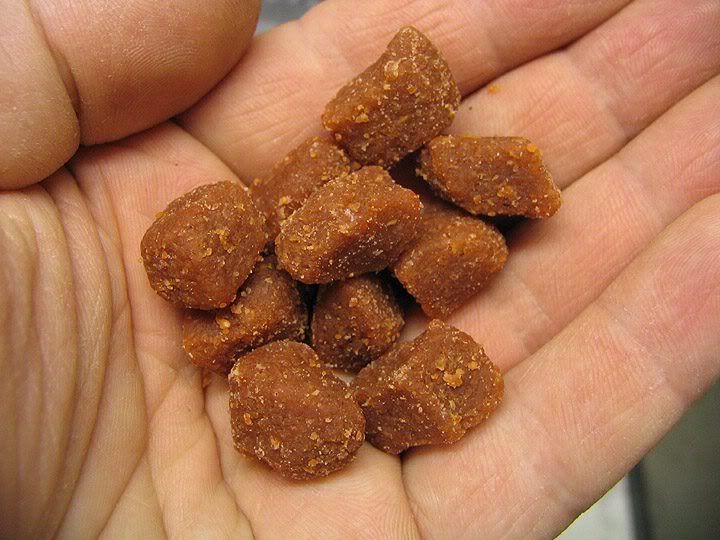
Here's how you can do it:
1. Recognize the type of food best for your dog. Large dog breeds need much more protein-rich food than other types of breed. This is best suited their bones and muscles. Dogs love tasty beef, pork, liver, and fish. Make sure you stock up with these meats. Simply sauté the meat and your dog will enjoy all the homemade health dog food recipes you prepared.
2. Salt is not advisable on dog health. It is not good on the dog food. Actually natural foods are the best food for our pets . Dog will surely love your choice of homemade health dog food recipes. All you really have to do is to cook it right.
3. Dogs need the vitamins and minerals in vegetables to keep them healthy. Make sure you add enough of them every meal.
There are a lot of dog health food recipes over the internet. Make sure that you pick up the right one to ensure you dog health.
[get this widget]
Tuesday, March 4, 2008
Dog Health: A dog with Narcolepsy
The story of Skeeter, a Poodle with Narcolepsy.
The first time I saw the video, I cannot help but feel pity for the dog. It was one of the strangest medical condition I have ever seen.
A proper dog health care is needed by this dog to overcome this problem.
[get this widget]
Monday, March 3, 2008
Dog Health Care - How to Keep Your Dog Safe
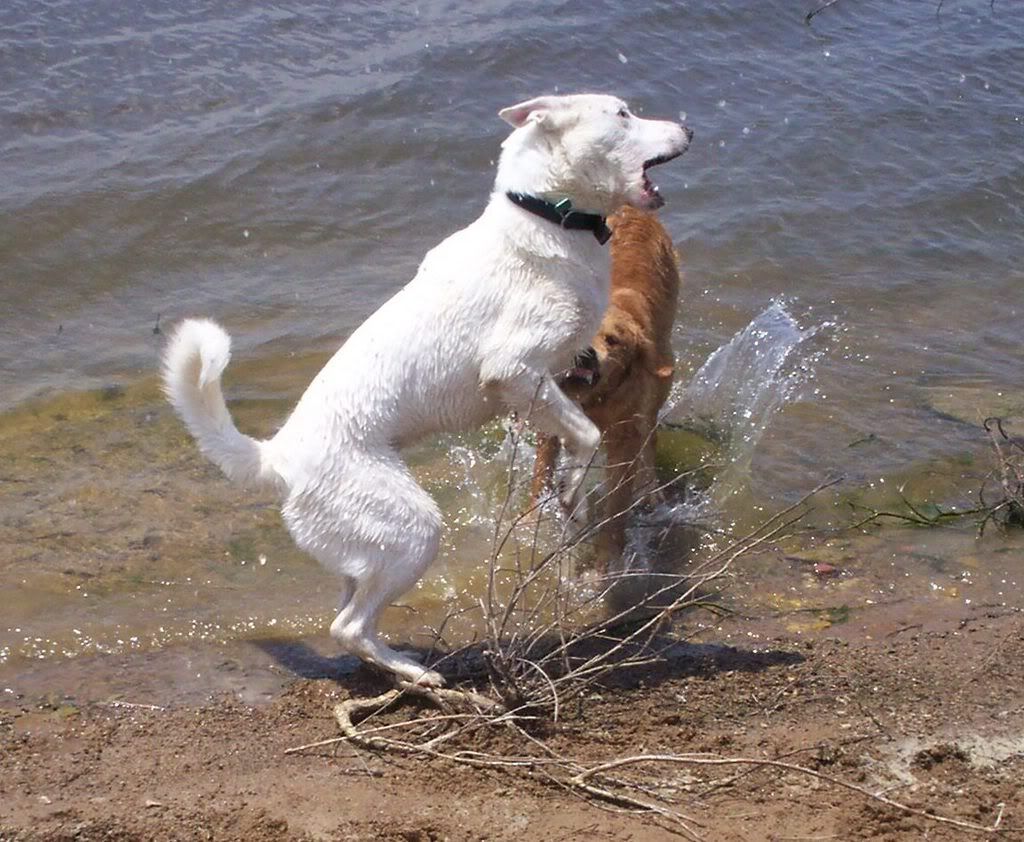
Protect Your Dog From Vehicular Accidents And Dog Fights
Never let your dog outside unaccompanied, and try to keep your dog in a fenced in yard. Keep the possibilities of accidental dogfights down by introducing your dog slowly to other dogs, or better yet keep other dogs away from your dog all together. Most dogfights occur when dogs are outside by themselves; be sure that your dog cannot run out of the house or escape from the yard.
If your dog is in an area where there are any vehicles, even golf carts or mopeds, watch your dog closely and always keep your dog on a secure leash and harness.
Dangerous dogfights can also occur when dogs are in a household that has a lot of other dogs. If you own more than one dog, and they continue to fight, then you may need to permanently separate the dogs to keep them from hurting one another.
Train Your Dog To Respond To Your Commands
A big part of keeping your dog safe involves training, which will help your dog to respond to your voice in any type of situation. Professional training classes are often needed to obtain the desired and effective results, and the lessons you and your dog learn in these classes will need to be continually practiced throughout the dog's lifetime.
If one day your dog does run outside without a leash, you can quickly call your dog back to you before he or she gets into an accident; if your dog confronts another dog you may be able to call your dog away before a fight occurs. Training your dog can save your dog's life, and working with your dog will also help you and your dog to develop a stronger bond.
Protect Your Dog From Accidental Poisoning
Every year dogs around the world experience fatal poisoning accidents. Many of these accidents are caused by rodent poisons that are placed around the home or in outside areas where a dog has access to them. A dog may be treated successfully from dog poisonings, but ingesting these products can often lead to permanent organ damage. If you use any poisonous products around your home, make sure that your dog will not be able to reach them at all.
[get this widget]
Saturday, March 1, 2008
Dog Health Question and Answers
Are you concerned about your pet's health or just have some dog health questions?
The following list of dog health care questions and answers will help you to recognize if your pet is ill. It will also help you to take a better care of your puppy or an adult dog.
Before we proceed to questions and answers, here is something important...
Don't try to make a diagnosis on your own. If you suspect your pet is ill, take him to a veterinarian.
OK, here are the...
5 Dog Health Questions and Answers
1. How can I tell if my puppy is ill?
The most common signs that your pet is ill are a loss or appetite, diarrhea, vomiting, weight loss and depression (yes, dogs get that too). If these symptoms don't disappear in two days, contact your dog's veterinarian. In general, you will get to know your dog pretty well and will be able to tell if there is something wrong with him.
2. Is it necessary to brush my dog's teeth?
Surprisingly, and unfortunately, this is not one of the more common dog health questions.
In short, the answer is "yes". According to American Veterinary Dental Society, around 80 percent of dogs show signs of oral disease by the age of three. By cleaning your dog's teeth on a regular basis, you will keep his gums and jaw bones healthy. You will also be able to reduce or even eliminate costly cleanings done under general anesthesia by a vet. Chew toys will also help you keep your pet's teeth healthy.
3. Is it possible to tell by the temperature of my dog's nose if he is ill?
A common dog health question that many owners feel they have an answer for. Unfortunately, the answer they have is wrong. No, you can't tell if your dog is ill by his nose. Dogs have only two body parts though which they sweat. Nose is one of them (paws are another). When the outside temperature is hot and your dog is sweating to cool himself, his nose will feel cool and moist. On the other hand, if a dog does not need to cool himself, his nose will feel dry.
4. How often will I need to vaccinate my dog?
This is one of the most common dog health questions. There are many factors that will influence vaccination schedule and, because each situation is unique, only your veterinarian can answer this question. He or she will talk to you about it during your pet's first visit.
5. How often will I need to take my dog to a vet?
It all depends on your dog health in general. If your dog is in good health, an older dog will usually need to see a vet once a year. For younger puppies, because of vaccinations, vet visits will be more frequent. And, of course, if your dog is ill, he will need to see a vet whether it's time for a regular checkup or not.
For more information on dog health problems, visit www.puppy-training-solutions.com
[get this widget]


